Have you discovered how useful a laminator can be when you have little kids at home?
If you’re a mom who loves hands-on learning, printable activities, and a little DIY crafting, your laminator might become one of your favorite tools. It’s perfect for turning simple printables into reusable learning activities, creating games for rainy afternoons, and making special keepsakes with your children.
A little while ago, I shared how my laminator had become one of my favorite learning tools. Since then, I’ve been thinking about all the ways we can use it to make learning through play easier, more creative, and a little less wasteful.
From DIY busy books and reusable flashcards to pressed-flower crafts and personalized holiday placemats, there are so many fun things to laminate for kids—and a few ideas for moms, too!
Whether you have a toddler learning colors and shapes or a preschooler who loves puzzles and pretend play, here are 12 laminator activities to inspire your next project.
1. Make a Printable Busy Book for Toddlers
If you have a toddler, you know how much they love doing things themselves. Matching, sorting, moving pieces around, and figuring out how things work are all part of the fun of learning through play.
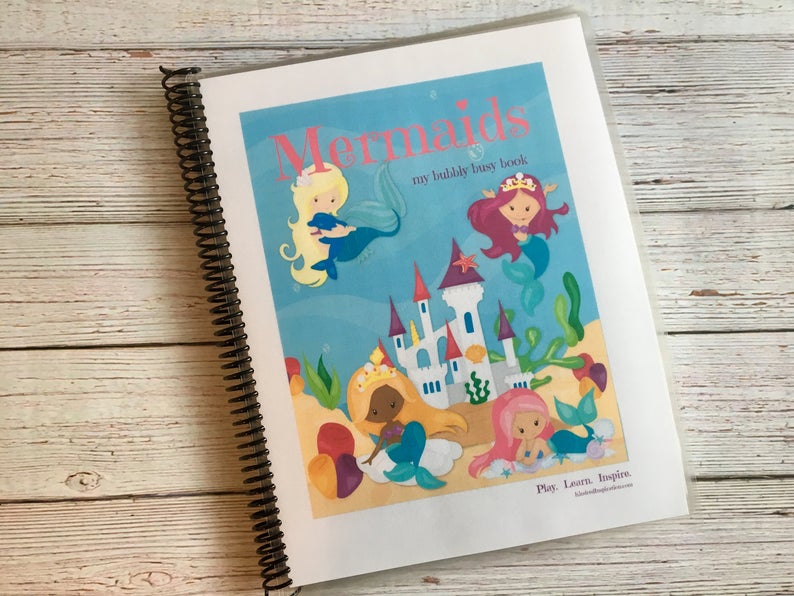
A busy book is a collection of hands-on activities designed to encourage these skills. With a laminator, you can make sturdy activity pages that are ready to use again and again.
Try including:
- Color and shape matching
- Counting and number activities
- Animal matching games
- Simple picture puzzles
- Sorting and categorizing activities
- Early learning activities for preschoolers
You can add hook-and-loop dots to activities that use removable pieces, or keep things simple with matching cards and reusable worksheets.
You don’t need to make an enormous activity book. A small collection of pages can be easier to assemble, store, and bring along when you’re out and about.
Want to spend more time playing and less time designing? You can find printable toddler busy books and learning activities in my Kindred Inspiration Etsy shop. Choose the activities that suit your child, print them at home, and laminate the pages you want to reuse.
2. Create Reusable Flashcards and Learning Games
Flashcards don’t have to mean sitting at a table and memorizing facts. They can be the starting point for all kinds of playful learning activities.

Print and laminate cards featuring letters, numbers, colors, shapes, animals, or everyday objects. Then use them to play matching games, sorting challenges, or simple guessing games.
Here are a few ways to use them:
- Find the match: Give your child a card and ask them to find the matching picture.
- Sort by category: Group animals, foods, vehicles, or colors.
- Go on a color hunt: Pick a color card and look for things around the house that match.
- Play memory: Make pairs of picture cards, turn them face down, and take turns finding matches.
- Tell a story: Choose three picture cards and invent a silly story together.
These activities encourage observation, vocabulary, early math skills, and problem-solving while keeping the emphasis on play.
You can create your own cards using simple pictures or drawings, or start with printable learning activities and adapt them to your child’s interests.
3. Make Reusable Scavenger Hunts and Treasure Hunts
A scavenger hunt can turn an ordinary afternoon into an adventure—and a laminated checklist makes it easy to play more than once.
Create a list of things your child needs to find, laminate it, and take it along on your next outing. For toddlers who aren’t reading yet, use pictures instead of words. Preschoolers can enjoy checking off items with a dry-erase marker.
Try a:
- Backyard nature scavenger hunt
- Fall leaf and acorn hunt
- Playground scavenger hunt
- Road-trip I-spy hunt
- Neighborhood color hunt
- Indoor treasure hunt with hidden clues
For older children, add rhyming riddles that lead from one hiding place to the next. You could even create seasonal hunts for holidays, birthday parties, and family gatherings.
The best part is that you can reuse the same checklist for different adventures. Change the hiding places or the final treasure, and a familiar activity can feel new again.
If you’d like a ready-made activity, browse my printable kids’ games and scavenger hunt ideas at Kindred Inspiration.
4. Put Together a Grab-and-Go Travel Activity Kit
If you have young children, a few easy activities tucked into your purse or diaper bag can be a lifesaver.

A small reusable activity kit is handy for restaurants, appointments, road trips, visits with family, or any time you need a little screen-free entertainment.
Here’s what you could include:
- A mini busy book
- A few matching cards
- A simple maze or puzzle
- A picture scavenger hunt
- A dry-erase marker for compatible activities
Store everything in a small zippered pouch or pencil case. Keep loose pieces together in a smaller envelope so you aren’t searching the bottom of your bag for the missing card.
You could even make different kits for different occasions. A restaurant kit might have quiet matching activities, while a road-trip kit could include vehicle spotting, travel bingo, and I-spy games.
The secret is keeping it compact. You don’t need to carry an entire binder full of activities to keep little hands busy.
Printable mini busy books are particularly useful for this because they take up less room and use fewer pages than a large activity book.
If you’re looking for space-saving activities for little learners, explore my printable busy books and kids’ activities.
5. Protect Your Favorite Family Recipe Cards
If you’ve ever baked cookies with a toddler, you know that cooking together can get messy. Flour-covered fingers, sticky spills, and splashes can make it difficult to keep a recipe card readable!
Laminating your favorite recipes is a simple way to protect them.
Print your family’s go-to recipes, laminate the cards, and keep them on a cool, dry part of the counter while you cook. You can wipe away splashes and keep the recipes ready for the next baking day.
This is especially lovely for family favorites:
- Grandma’s banana bread
- Your favorite chocolate chip cookies
- A special birthday cake
- Weekend pancake recipes
- Holiday treats you make every year
You could even create a family recipe collection with the kids. Let them help choose the recipes, draw a picture for each one, or decorate the pages before you laminate them.
The goal isn’t a perfect kitchen. It’s having fun together, teaching little ones simple kitchen skills, and making memories that you’ll remember long after the flour has been swept away.
Mom tip: Keep laminated recipe cards away from hot burners and other high-heat areas. If you want to add notes, write them on the paper before laminating or test a suitable erasable marker on a corner.
6. Make a Family Memory Jar and Preserve Your Kids’ Artwork
Some of the best things to laminate aren’t learning activities at all. They’re the little things that help you hold on to childhood.
Start with a collection of conversation prompts, laminate them, and put them in a jar or small basket. Pull one out during dinner, family game night, or a quiet moment before bed.
You could include questions such as:
- What made you laugh today?
- What is your favorite thing to do with our family?
- If you could visit anywhere, where would you go?
- What would you invent if you could make anything?
- What is one thing you’re proud of?
- What is your favorite memory from this year?
For younger children, keep the questions simple and invite them to draw their answers or tell a story. Add new prompts as your children grow, making this a family tradition that changes with them.
Turn your children’s artwork into keepsakes
You know those drawings that come home from preschool, the colorful masterpieces created at the kitchen table, and the pictures your child insists you keep forever?
Choose a few favorites, laminate copies, and turn them into keepsakes you can display or use.
You could make a bookmark from a small drawing, create a colorful decoration for a bedroom, or preserve a special picture for a memory box. You might even make a collection of your child’s artwork to bring out on birthdays and look back on together.
You don’t have to save every single piece of paper to preserve the memories. Choose the artwork that captures a funny phase, a favorite character, or a moment you know you’ll want to remember.
The goal isn’t to create a perfect keepsake collection. It’s to celebrate the little things your children make and the memories that go along with them.
Preservation tip: Scan or photograph irreplaceable artwork before making a laminated copy. Lamination is difficult to reverse and may not be suitable for valuable originals.
7. Make DIY Placemats for Family Dinners and Holiday Parties
Looking for a way to make family dinners a little more special? Let the kids help create their own placemats!
This is such a fun way to put your laminator to work, especially if you love decorating for holidays or hosting family gatherings. And the best part? Your children’s artwork can become part of the celebration.
Start with a piece of paper and let your child create a masterpiece. They can draw the family, decorate with favorite colors, or make a picture inspired by the upcoming holiday. Once the artwork is finished and completely dry, an adult can laminate it to create a reusable placemat.
You could make themed placemats for different occasions:
- Thanksgiving: Draw turkeys, colorful leaves, pumpkins, or things your family is thankful for.
- Christmas: Create festive pictures, decorate a paper Christmas tree, or draw everyone’s favorite holiday tradition.
- Birthdays: Make a special placemat for the birthday child, complete with their name, age, and favorite things.
- Family gatherings: Let each child create a placemat for a grandparent, cousin, or other special guest.
- Everyday family dinners: Use children’s drawings or a family photo printed on paper to make ordinary meals feel more personal.
You can also create activity placemats for holiday parties. Add simple mazes, picture-matching games, or drawing prompts to keep little guests entertained while the adults finish preparing dinner.
I especially love the idea of making a new set each year. Imagine bringing out the children’s holiday placemats and seeing how their artwork has changed as they’ve grown!
A few practical tips: Use copies of artwork you’d like to preserve, allow ink and paint to dry completely, and leave a sealed margin around the paper when cutting. Laminated placemats are best for light use and easy wipe-downs. Keep them away from hot dishes, sharp utensils, and high heat.
It’s a simple craft that turns an ordinary piece of paper into something your family can enjoy at the table—and it makes a lovely tradition for holiday dinners and celebrations.
8. Make Nature Crafts With Pressed Leaves and Flowers
If your kids love collecting leaves on fall walks or picking flowers in the spring and summer, here’s a fun way to turn those little treasures into keepsakes!
A laminator can help you preserve the look of colorful autumn leaves, delicate pressed flowers, and other flat botanical finds. It’s a simple activity that combines outdoor exploration with an easy afternoon craft.
Fall craft: Colorful leaf bookmarks and collages
Head outside and collect a few fallen leaves in different colors and shapes. Press them between sheets of paper inside a heavy book until they are dry and flat.
Arrange the leaves in a laminating pouch to make colorful bookmarks, nature collages, or decorations for a seasonal nature journal.
Encourage your child to notice the differences between leaf shapes and colors. You could even turn the activity into a little science lesson by talking about why leaves change color in the fall.
Spring and summer craft: Pressed flower keepsakes
Collect fallen petals or flowers that you have permission to pick. Press them until completely dry, then arrange them between laminating sheets.
Small flowers and petals can make pretty bookmarks, floral collages, or keepsakes from a garden walk.
You can even turn this into a seasonal nature journal. Take photos of your discoveries, record where you found them, and create a collection to look back on as the seasons change.
A few tips for success:
- Press and thoroughly dry leaves and flowers before laminating.
- Use thin, flat specimens rather than thick leaves or bulky flower heads.
- Arrange everything before sealing the pouch, because you generally cannot reposition items afterward.
- Test a small sample first. Heat can change the color of delicate botanicals, and some specimens may not retain their original appearance.
Let children collect, sort, and arrange the materials while an adult operates the laminator and handles hot pouches.
I love activities like this because they start with something as simple as a walk outside. You don’t need expensive craft supplies to make something meaningful together.
9. Create a Backyard Explorer Kit
You don’t need expensive nature equipment to encourage your children to explore the outdoors.
Laminate a few simple nature-identification cards or observation sheets and take them into the backyard, to a park, or on a neighborhood walk.
Your kit could include pictures of:
- Leaves and flowers
- Birds and insects
- Clouds and weather
- Different shapes, colors, and textures found in nature
- Things that change from one season to another
For toddlers, focus on finding and pointing. Preschoolers can describe what they see or sort their discoveries into categories.
You could make different sets for each season: a fall leaf explorer kit, a spring flower observation sheet, or a summer backyard nature guide.
Keep the kit in a small pouch with a pencil or a suitable dry-erase marker. It’s an easy way to encourage curiosity without planning a complicated outing.
If your children enjoy the adventure of searching for things outdoors, pair your explorer kit with a printable scavenger hunt or kids’ activity from Kindred Inspiration.
10. Make a Family Movie-Night or Activity Picker
Sometimes the hardest part of family time is deciding what to do!
Create a collection of activity cards, laminate them, and keep them in a jar. When everyone is bored, pull out a card and let it choose the next activity.
Your cards could say:
- Have a living-room dance party.
- Play a board game.
- Build a blanket fort.
- Draw silly pictures together.
- Have a family scavenger hunt.
- Make a special snack.
- Read a favorite book.
- Have a family movie night.
You can make separate jars for rainy days, weekends, or school breaks. If you have young children, add pictures so they can choose activities themselves.
It’s a fun way to get everyone involved, and it takes the pressure off Mom to come up with a new idea every time someone says, “I’m bored!”
11. Create a Reusable Pretend-Play Kit
Pretend play is one of the easiest ways to turn simple paper materials into hours of imaginative fun.
With a laminator, you can create reusable props for a pretend restaurant, grocery store, post office, or little shop.
Try making:
- Restaurant menus and order forms
- Grocery lists and shopping cards
- Price tags and pretend money
- Picture-based menus for younger children
- Simple role-play cards with different jobs or characters
Kids can take orders, sort pretend groceries, count items, and invent their own stories. You can use dry-erase markers on compatible surfaces to change prices, write orders, or create new menus.
The best part is that the materials can evolve as your child grows. A simple pretend café for a preschooler might eventually become a more elaborate shop with prices, lists, and pretend receipts.
12. Make a Seasonal Family Activity Jar
Sometimes you just need an easy idea for a rainy afternoon, a school break, or a weekend when everyone is home.
Create a set of activity cards, laminate them, and keep them in a jar or basket. When the kids need something to do, pull out a card and see what adventure awaits.
You could include:
- Build a blanket fort.
- Have a family dance party.
- Go on a backyard nature hunt.
- Make a special snack together.
- Play a printable game.
- Draw pictures for grandparents.
- Read a favorite book.
- Have an indoor treasure hunt.
You can make different jars for different seasons. A fall jar might include leaf collecting and pumpkin activities, while a summer jar could include backyard games and nature walks.
For younger children, add pictures so they can help choose the activities themselves.
It’s a simple way to make playtime feel spontaneous without requiring Mom to invent something new every day.
A Few Laminating Tips for Moms
Before you start laminating everything in sight, here are a few practical tips to help your projects turn out well.
- Choose activities worth reusing. You don’t need to laminate every worksheet. Save it for pages and cards you expect to use again.
- Leave a sealed margin. Follow your laminator’s instructions and leave enough sealed space around each piece when cutting.
- Think about storage. Small pouches, envelopes, and labeled bags help keep activity pieces together.
- Test your markers. Dry-erase markers don’t work equally well on every surface, so test a small area first.
- Keep little pieces safe. Loose game pieces, hook-and-loop dots, and laminated cards can pose choking hazards for young children. Supervise toddlers and inspect materials regularly.
- Be careful with heat. An adult should operate the laminator and handle hot pouches. Keep finished projects away from hot burners and other high-temperature surfaces.
- Preserve originals thoughtfully. If a recipe, drawing, or flower arrangement is irreplaceable, consider scanning or photographing it and laminating a copy.
And remember: the point isn’t to create a Pinterest-perfect activity cupboard. It’s to make everyday life a little easier and give your kids fun ways to learn, play, explore, and create memories.
Ready for Your Next Laminator Project?
A laminator can do so much more than protect documents. With a few simple supplies, you can create reusable toddler activities, printable games, scavenger hunts, travel kits, nature crafts, and family keepsakes.
Start with one project that fits your family’s needs. Maybe it’s a busy book for a curious toddler, a scavenger hunt for your next outdoor adventure, or a set of personalized placemats for your next holiday dinner.
And if you’d rather spend your time playing than designing every printable from scratch, visit Kindred Inspiration on Etsy for printable busy books, kids’ games, and activities you can prepare at home.
Happy laminating!

